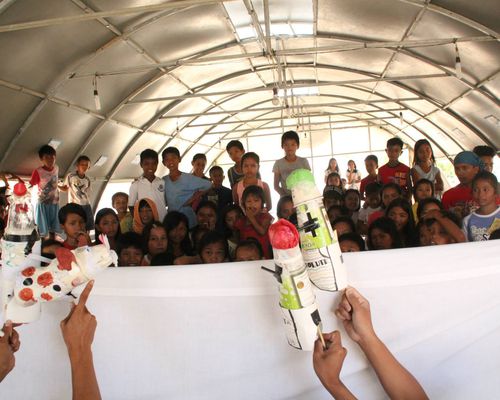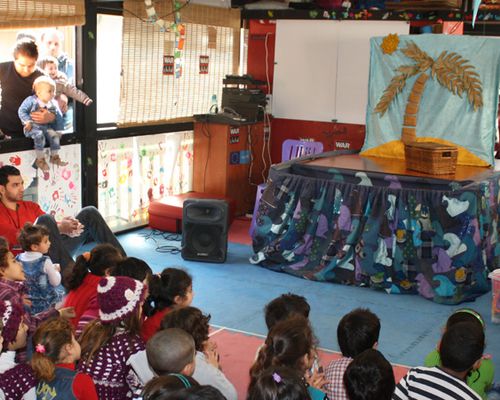

This is the webpage of the UNIMA Humanitas and Cooperation Commission. This page presents the different aspects of the scope of work carried out by the Commission under the co-presidency of Ms. Kata Csató and Ms. Salma Mohseni.
Cooperation
The Cooperation has existed as a working group since 2008 and carries out solidarity actions in puppetry-related contexts.
All UNIMA members, as well as anyone involved in puppet theatre throughout the world, may benefit from its support.
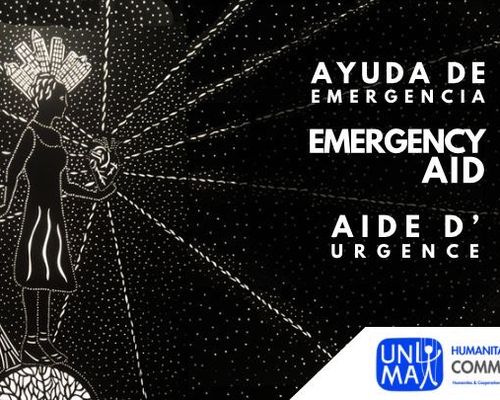
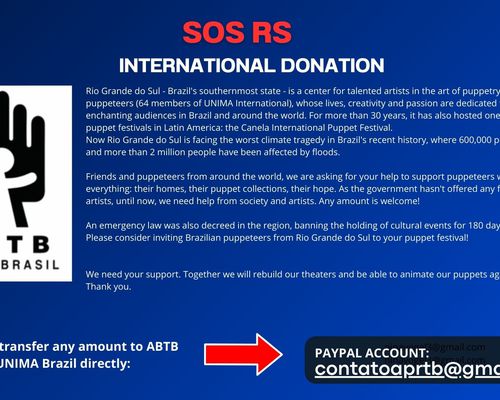
The remit of the work is to provide aid to puppeteers in situations of catastrophe. This includes disasters caused by weather or climate, as well as industrial, political, or social situations of extreme distress.
Support is provided in the form of subsidies and financial assistance for specific projects or individuals, as well as through the formal support of UNIMA, an official partner of UNESCO.
What We Support
- Projects aimed at significantly developing puppet theatre in a specific area.
- Emergency aid for puppeteers.
How to Donate
Information for Donors – Donation Guidelines and Dedication Options:
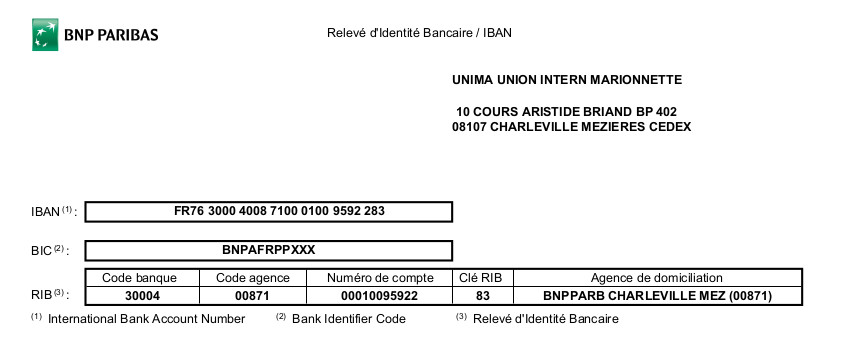
1. To donate, use either Paypal or make a direct bank transfer to our bank account.
2. If you would like to dedicate your donation to a certain cause, write to us at cooperation@unima.org with a screen capture of your donation and what campaign/cause you intend it for.
3. For a donation receipt, follow the same steps. Include your full address and the donation date in the email to cooperation@unima.org.
4. If you can’t use bank transfer or Paypal, use our Emergency Aid for Puppeteers Campaign on GoFundMe.
Consider donating—your support matters! Click below to contribute:

Thank you for your continuous support for peace, heritage, and the creative arts!
Please feel free to contact us if you have any further questions at cooperation@unima.org.
Humanitas
Introduction
Vision
We understand Humanitas as a love of the diversity of humanity and it’s expression through puppetry arts. Humanitas: more than just a position of love of diversity.
Mission
We support freedom of expression and mutual respect between peoples and cultures of the world. We believe that it is important for puppetry artists to be informed about the circumstances of artists in other countries, cultures and nations. Our goal is to support and protect puppetry artists by providing moral support and raising public awareness about those in threatening situations as well as those taking actions in conflict situations. We support and promote the work of puppetry artists working to broker peace, cross-cultural exchange and the promotion of human rights.
We will assemble and disseminate information regarding conflict situations and legislative crises affecting puppetry artists. We will bring special attention to puppetry artists who find themselves unable to perform due to circumstances which reduce their human rights and freedoms.
Humanitas also works to protect the puppet object. When precious puppets and collections are under threat due to economic and political situations, we will engage. Our objective is to raise awareness about the cultural value of puppet objects and the importance of protecting free expression and the cultural heritage puppets represent.
Objectives
- Situation Assessment
- Immediate Support
- Advocacy/Awareness
- Collaboration with Associates
- Resource Mobilization
- Documentation/Reporting
- Continuous Evaluation/Adaptation
- Strategic Restrictions/Representational Integrity
Approach
Our approach to meeting our objectives will be consultative; we aim to work in close collaboration with puppetry artists from affected regions.
Programme and Activities
Humanitas will develop both a reactive and a proactive programme. The reactive programme will respond to situations and crises as they arise whereas the proactive programme will act to generate creative and collaborative work that underlines UNIMA’s mission and that supports peace and mutual understanding through the art of puppetry. We are continuing to prepare the next podcast episode.
“If Humanitas is understood from a Roma derivation that includes humanism and benevolence, then benevolence drives humanism and could be understood as „someone willing to participate, at the level of feeling, in whatever is human.”
— Andrea Poma (2017), Philosophical Notes for Postmodernism. Berlin. Springer. p. 231.